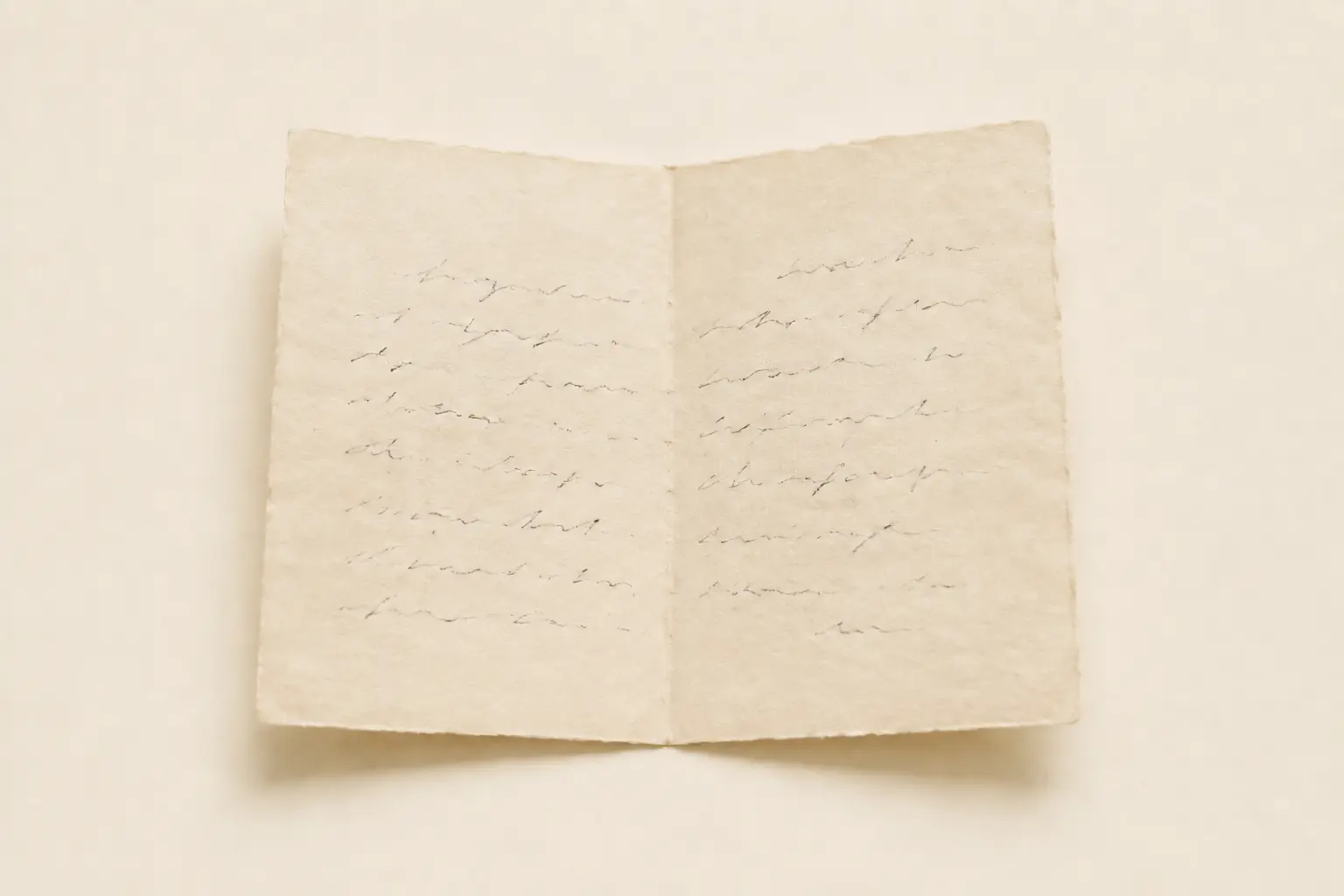
A few days before I dropped out of biotechnology college, I wrote a letter to my future self.
I was eighteen and stepping into a world I knew almost nothing about. I had no culinary-school mythology behind me, no family blueprint for becoming a chef and no reliable idea of what the profession would demand. I only knew that I wanted to cook.
The letter was an exercise in accountability. I wrote down the things I wanted my future self to achieve: own a Japanese knife, live and work in another city, make great food.
And then there was the grand one.
Three Michelin stars.
At eighteen, that was how I understood greatness. Michelin stars appeared to be the cleanest, highest and most objective proof that a cook had conquered food. I did not yet know enough to question the measurement. I wanted the summit, so I chose the only summit I had heard of.
Naive? Of course.
But there is something lovely about the scale of an eighteen-year-old’s ambition. He has not yet learned to make his dreams sound reasonable for the comfort of other people.
I opened the letter in December 2021, five years after writing it. By then, several of the smaller wishes had quietly come true. I had the knife. I had lived and worked in different cities. I had entered professional kitchens that my eighteen-year-old self could not have pictured clearly enough to ask for.
The strange part was that I had almost forgotten the list.
I had not completed those things by marching faithfully through a five-year plan. They had presented themselves while I kept following the same two questions:
What now?
What next?
That was the method. Move toward whatever made me curious. Learn it seriously. When the next door appeared, walk through it.
By then, the Michelin line no longer felt like mine. Not because I had stopped wanting to make great food, or because the ambition had become smaller. My definition of great food had simply become too large to fit inside three stars.
Great food could be technically immaculate. It could also be a street vendor repeating one movement with the precision of a surgeon. It could be a dish that carries a family’s memory, a staff meal made with attention or something eaten standing up that rearranges your understanding of an ingredient.
The goal had survived. The measurement had not.
Fortunately, my younger self had accounted for that possibility. Beneath all the goals, he had left me an escape clause:
“Do not let anything that is written here stop you in the pursuit of good food. Stay curious and stay passionate.”
That may be the wisest thing in the entire letter.
He made demands of the future, but he did not try to imprison it. He understood that he lacked information. He gave me a direction and, in the same breath, permission to change the destination.
I used to think accountability meant keeping every promise you made to an earlier version of yourself. Now I think it also means recognising which promises were made by someone who had not yet seen enough of the world—and honouring the hunger underneath them rather than the exact wording.
My eighteen-year-old self wanted three Michelin stars.
What he really wanted was a life spent pursuing good food with seriousness, curiosity and passion.
That part, I have kept.
What now? What next?
Stay curious. Stay passionate. Keep going.
Everything else is allowed to fall into place.